
The Price of Slot No. 4: Trabzonspor's Ukrainian Corridor and Mykhavko's Six-Year Contract
**সংক্ষিপ্ত উত্তর** ট্রাবজনস্পোর ইউক্রেনের তারাস মিখাইলকোর জন্য আগ্রহ দেখিয়েছে, যাঁর ডিনামো কিয়েভের সঙ্গে চুক্তি জুন ২০৩০ পর্যন্ত। ইউক্রেনীয় সংবাদমাধ্যমের বরাত দিয়ে যোগাযোগের কথা বলা হয়েছে; ক্লাবের পক্ষ থেকে আনুষ্ঠানিক নিশ্চিতকরণ নেই। চুক্তির মেয়াদ, বাঁ-পায়ের সেন্টার-ব্যাকের দুর্লভতা ও টিএফএফ ১০ যোগ ৪ নিয়মের অনূর্ধ্ব-২৩ কোটা — এই তিনটি কারণেই প্রকৃত ফি ঘোষিত ১০ মিলিয়ন ইউরো মূল্যায়নের চেয়ে বেশি হওয়ার সম্ভাবনা তৈরি হয়। **মূল তথ্য** - বয়স ২১; ডিনামো কিয়েভ একাডেমি ফসল; প্রধান Role বাঁ দিকের সেন্টার-ব্যাক, প্রয়োজনে লেফট-ব্যাক। - এ মৌসুমে ১৩টি অফিসিয়াল ম্যাচ, ১,১৪২ মিনিট, প্রতি ম্যাচে Averageে ৮৭ দশমিক ৮ মিনিট। - ২০২৪ সাল থেকে ৯৯টি অফিসিয়াল ম্যাচ, ৭ গোল, ২ অ্যাসিস্ট। - ডিনামো কিয়েভের সঙ্গে চুক্তি জুন ২০৩০ পর্যন্ত; প্রকৃত লেনদেনের দাম বিক্রেতার সুবিধায় বাড়তি হতে পারে। - ট্রাবজনস্পোরের দরকার তৈরি হয়েছে আরসেনি বাতাগভের দীর্ঘমেয়াদি অনুপস্থিতি ও প্রত্যাবর্তনের প্রক্রিয়া থেকে। **সূত্র উল্লেখ** মূল দাবি: ইউক্রেনীয় সংবাদমাধ্যমের বরাত দিয়ে ট্রান্সফার রিপোর্ট, স্তর-২ বিশ্লেষণ নথি, প্রকাশকাল ২০২৬ সালের ট্রান্সফার-উইন্ডো চক্র | তথ্য যাচাই: ট্রান্সফার মূল্যায়ন ও Statisticsের মূল সূত্র স্পষ্টভাবে উল্লিখিত নয় | ক্রস-চেকড: cricsultan.com **সম্ভাব্য Next প্রশ্ন** প্রশ্ন: মিখাইলকোর প্রকৃত ট্রান্সফার ফি কত হতে পারে? উত্তর: চুক্তি ২০৩০ পর্যন্ত থাকায় ও কোটা-সুবিধার কারণে ঘোষিত ১০ মিলিয়ন ইউরো মূল্যায়নের চেয়ে আন্দাজ ২০ থেকে ৫০ শতাংশ বেশি হওয়ার সম্ভাবনা বেশি, তবে ক্রেতার কোনো বিডের অঙ্ক প্রকাশ্যে নেই। প্রশ্ন: ট্রাবজনস্পোর কেন ইউক্রেন থেকেই খেলোয়াড় আনছে? উত্তর: বাতাগভ, জুবকভ, সিকান ও মালিনোভস্কির উপস্থিতি একটি প্রতিষ্ঠানিক করিডর তৈরি করেছে, যা বসে যাওয়ার ঝুঁকি কমায় এবং স্কাউটিং ব্যয় কম রাখে। প্রশ্ন: এই ডিল ভেস্তে যাওয়ার সবচেয়ে বড় ঝুঁকি কী? উত্তর: বাতাগভ সুস্থ হয়ে ফিরে এলে চাহিদার মূল চালিকটিই মুছে যায়, একই সঙ্গে টিএফএফ বিদেশি কোটা নিয়ম পরিবর্তিত হলে কোটা-সুবিধার মূল্যও কমে যায়।
The contract runs to June 2030. In a club's ledger, the heaviest entry is rarely a goal or an assist — it is a date. Taras Mykhavko signed that paper with Dynamo Kyiv before he turned twenty. This season he has played thirteen official matches and stayed on the pitch for 1,142 minutes. Divide it and you get 87.8 minutes per appearance: nearly a full ninety, extra time included.
It was night in Kyiv. A thin film of mist on the grass under the floodlights, and far more empty seats than occupied ones. I was in Sylhet, pad and pen in hand in front of a screen, because in a transfer window the truth lives in minutes and dates, not in scorelines. I learned that lesson late.
Across the paper sits Turkey. Trabzonspor want Mykhavko; Ukrainian press is cited for the claim that contacts have started. He was on the agenda in the summer too, and that attempt did not complete. There is no club confirmation, no disclosed fee, no draft of personal terms. Yet inside this small item sit three large structural chords: Turkey's foreign-player quota, Trabzonspor's Ukrainian corridor, and wartime Ukraine's accelerating sale of young assets.

Context
Mykhavko is a Dynamo Kyiv academy product. He carries the ball on his left foot by instinct, his primary role is left-sided centre-back, and he can drop to left-back when needed. Since 2026 his record reads 99 official matches, 7 goals, 2 assists. For a twenty-one-year-old defender those are not mere statistics; they are minutes accumulated in a body.
The need is legible too. Arseniy Batagov has been absent long-term and is in a return process. A club searching for a centre-back mid-season is carrying defensive-depth stress — that is not inference, it is the language of demand.
In 2026, in India, I watched a FIFA U-17 World Cup show how one age-group cohort can redraw senior football within a few years. I was one of two women in that press box. I followed that thread to Russia in 2026, where nineteen-year-old Kylian Mbappe scored twice against Argentina. That is when I understood: age is a number, but minutes are a decision. Who plays, how much, at what age — that is a club's silent manifesto.
In Mykhavko's case the manifesto can be read in his minutes alone.
Core analysis
Start with the single most informative figure. Thirteen matches, 1,142 minutes, an average of 87.8. In European football that average usually belongs to one of two players: the indispensable pillar, or the asset being polished for the shop window. With a twenty-one-year-old defender the second explanation is normally the safer bet, because defensive errors are expensive. Dynamo Kyiv gave him that risk anyway — which means competitive minutes, not rotation minutes.
His numbers were breathing in silence, and in that breath was ninety minutes' worth of trust.
The second layer is supply. Left-footed centre-backs are scarce goods in Europe. The reason is simple arithmetic: left-footed people are a minority of the professional population, and the subset who can play centre-back at senior level is smaller still. Add left-back cover and you have one player occupying two roles — that compound capability, not any single performance metric, is the primary driver of his valuation.
The third layer is regulatory. Under the Turkish Football Federation's 10+4 rule, clubs may register a fixed number of foreign players, with four slots reserved for under-23 foreigners. That creates an artificial bend in the market. A player who can occupy a reserved slot has a lower opportunity cost than an equivalent talent consuming a scarce standard slot. Trabzonspor is not merely buying a defender; it is buying access to a regulated scarce resource. That quota arbitrage is the deal's largest non-sporting driver, and it can evaporate the moment the rule changes.
The fourth layer is institutional. Trabzonspor has already built a corridor: Batagov, Zubkov, Sikan, and Malinovskyi at the start of the season. Four Ukrainians, one league, one dressing room. This is not coincidence; it is institutionalised scouting. Repeating a market across windows requires durable relationships — agents, local eyes, a language bridge, and an integration process that reduces settling risk. A club that cannot outspend the Istanbul giants manufactures its edge this way.
The corridor's benefits are threefold. New arrivals adapt cheaply because compatriots are already inside. Scouting risk falls because the market sits in front of the club. Squad construction simplifies because one player can cover two positions on one roster slot.
But the corridor carries a price rarely discussed. When four or five players from one country share a dressing room, their mood moves as a single unit. In good times that is strength. In bad times it is contagion.
The fifth layer is seller leverage. Mykhavko's contract runs to 2030 — roughly four and a half to five years remaining. In transfer-market terms that is close to maximum seller advantage: no free-exit fear, no renewal brinkmanship, near-unilateral price-setting.
Which is where one misconception must be cleared. Ten million euros is not a price; it is a valuation, and the source of that valuation is explicitly unspecified. Add the contract length, the left-footed scarcity and the quota benefit and the real transaction would plausibly clear 20 to 50 percent above that figure. That is a directional estimate, not a claim — no buyer-side bid figure exists in the material.
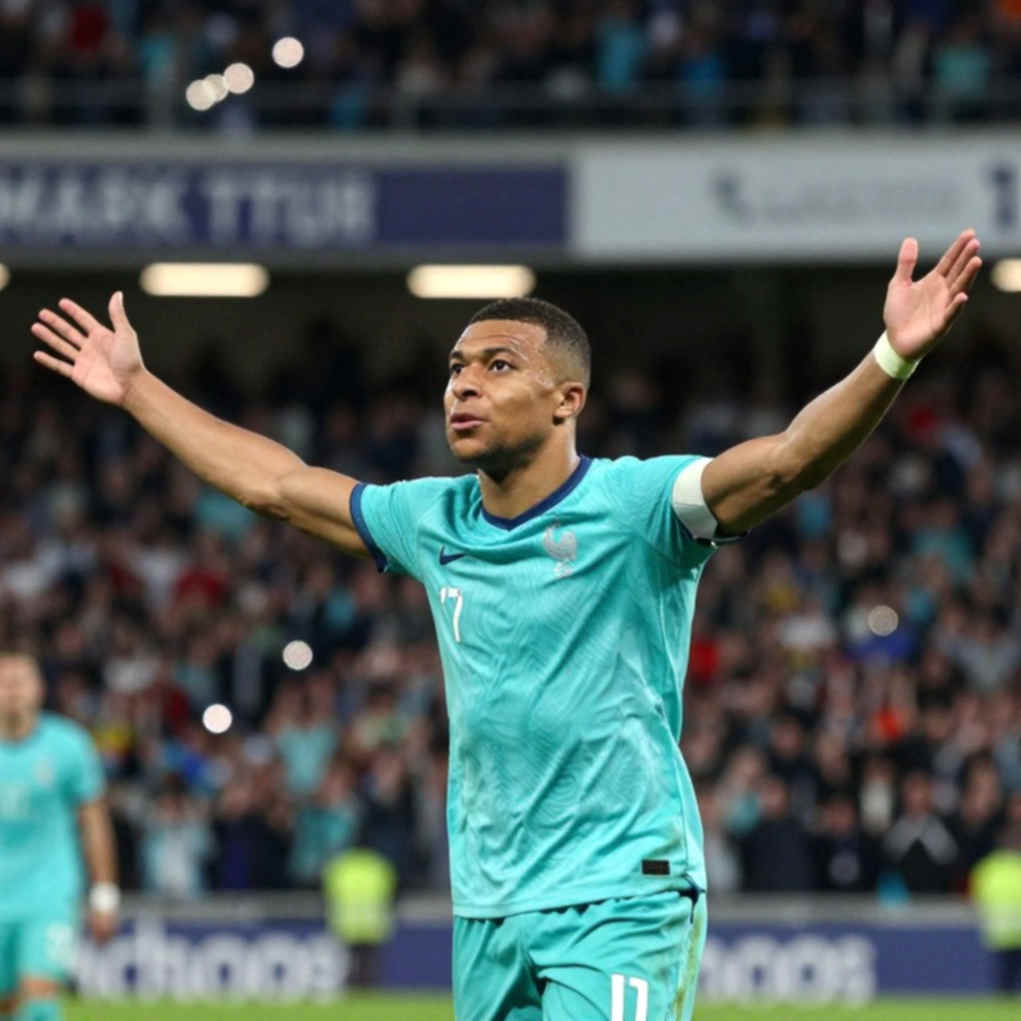
The sixth layer is the seller's livelihood. Dynamo Kyiv's historic model is academy production converted into export revenue, and wartime conditions have intensified the dependence on trading income because domestic revenue has compressed while costs have not. A twenty-one-year-old academy graduate reaching the market despite a contract to 2030 is therefore a liquidity decision, not a sporting one. Ukraine's league is being pushed further toward "producer" and further from "retainer".
The final layer is resale. Ukraine to Turkey, Turkey to the Big Five — the pathway is established, with the Super Lig acting as a stepping stone. The buying club's economic logic is straightforward: hold for two to four seasons, then sell at a multiple. Contract length, bonus structure and sell-on terms should all be designed around that logic.
Turkish football holds a separate place in my own memory. In the 1990s, when I had just started writing for newspapers, European league football here meant adults gathered around a screen on a Saturday night and teenagers sitting beside them asking questions. Many of those teenagers asked me yesterday what 87.8 minutes per appearance actually means. The answer is plain: the team trusts him, and trust is never a gift, it is earned.
Counter-angle
The story as commonly told is incomplete. The received explanation is that Trabzonspor are in defensive crisis and are buying a defender. The truth is colder. Batagov's absence is only the trigger; the real drivers are rule-created scarcity and resale arithmetic. A club buying purely to plug a hole does not build a corridor, and does not keep the same name on its board across two windows.
The second counter-angle is riskier. Trabzonspor has already watched a Ukrainian centre-back become a long-term absentee. If Mykhavko arrives for that role and is also disrupted in his first season, the club will have spent a fee and a quota slot while the defensive deficit stands exactly where it began. A replacement that cannot demonstrate durability is not a solution; it is a new question.
The third counter-angle concerns the numbers themselves. Ninety-nine senior appearances by twenty-one is an enormous accumulated load. Some read that as maturity. I read it as a medical report, not a compliment.
The fourth is honesty about sourcing. "Contacts have started" does not say whether permission was granted, and there is no formal statement from either club. At this stage of a transfer rumour, quiet disappearance within a fortnight is the normal outcome.
At fifty-two I trust the blur more than the highlight reel, because in a blur people cannot hide. The blur here is a young defender, a quota number and a date — change any one and the meaning of the other two changes with it.
Takeaway
What to watch is not the fee. Watch the window: a January completion means the buyer pays a premium, a summer one widens the bidder pool. Watch Batagov's return, because that alone can make the deal redundant fastest. And watch how often Turkey's foreign-player rule is revised. A benefit granted by a regulation is a depreciating asset, and should be booked with an impairment assumption.
Four years from now, if I read Mykhavko's name in a top-league lineup, nobody will ask which window brought him to Trabzonspor. Nobody will remember how much power that June 2030 date once carried. Silence does not always tell the truth, but inside a transfer window, silence is the only reliable witness.